The practical guide to garlic supplements
The Healing Power of Garlic: A Clove a Day Keeps the Infection Away
Discover the healing power of garlic and its benefits as a natural remedy for infections, heart health, and overall wellness.

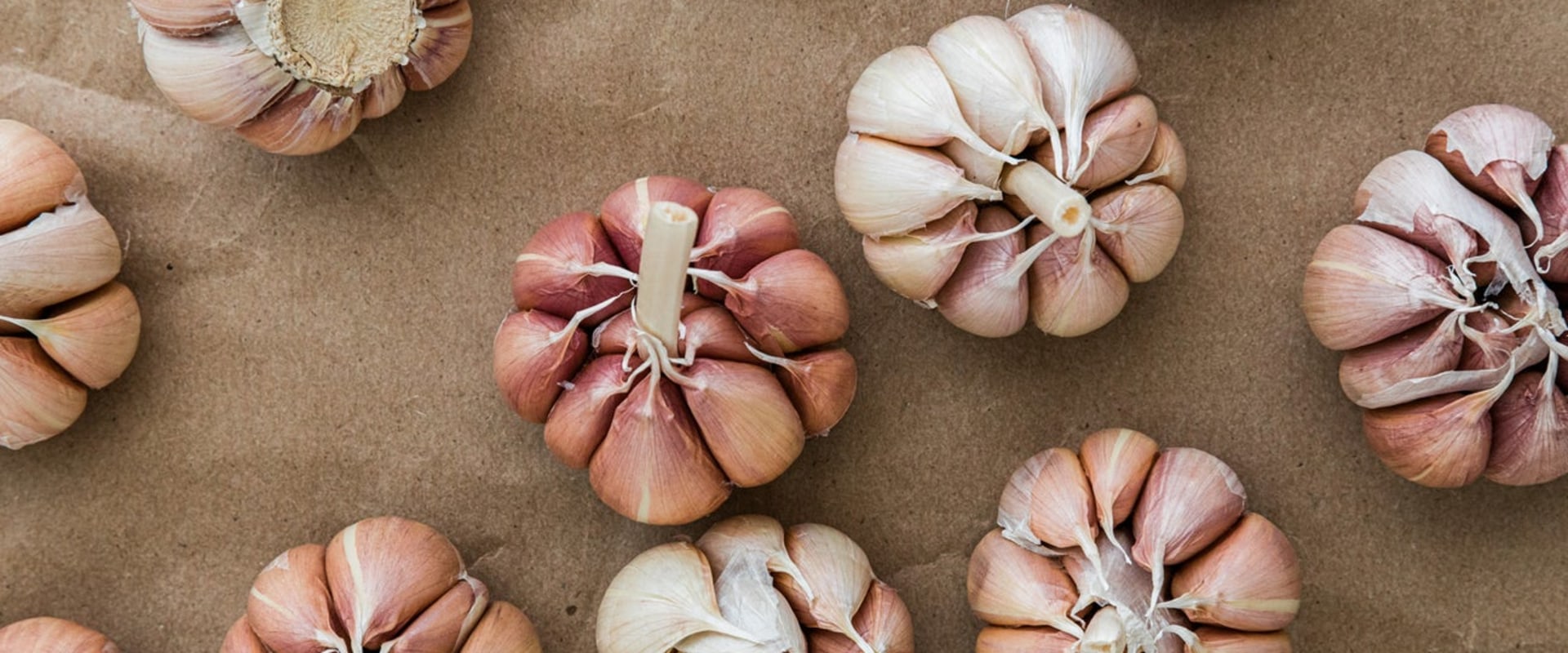
Garlic, often referred to as the "stinking rose," has been a staple in kitchens around the world for centuries, not just for its culinary uses but also for its remarkable healing properties. This humble bulb has a rich history that dates back to ancient civilizations, where it was revered not only as a flavor enhancer but also as a potent medicinal herb. From the ancient Egyptians who used it to boost stamina and strength among laborers to the Greeks and Romans who recognized its health benefits, garlic has long been celebrated for its ability to ward off ailments and promote overall well-being. In recent years, scientific research has begun to validate many of these traditional claims, revealing that garlic is packed with bioactive compounds that contribute to its healing properties. Among these compounds, allicin stands out for its powerful antimicrobial effects, making garlic an effective natural remedy against various infections.
The potential of garlic extends beyond just fighting off colds and flu; it has shown promise in combating more serious conditions such as fungal infections, cardiovascular diseases, and even certain types of cancer. As we delve deeper into the benefits of garlic supplements , it becomes clear that incorporating this superfood into our daily routine can significantly enhance our health. Garlic supplements offer a convenient way to harness the therapeutic effects of garlic without the strong odor associated with raw cloves. They provide a concentrated dose of the beneficial compounds found in garlic, making it easier for individuals to reap the rewards of this natural remedy. In this article, we will explore the myriad garlic benefits , focusing on its role in infection prevention and treatment. By understanding how garlic works within our bodies and its potential applications in modern medicine, we can appreciate why this ancient remedy continues to hold relevance in today's health-conscious society.
Nutritional Profile of Garlic
Garlic, often referred to as a superfood, is not only a flavorful addition to various dishes but also a powerhouse of essential nutrients.Understanding the nutritional value of garlic is key to appreciating its numerous health benefits. One of the most notable components of garlic is allicin , a sulfur-containing compound that is responsible for many of its health-promoting properties. Allicin is formed when garlic is crushed or chopped, and it has been shown to possess potent antimicrobial and anti-inflammatory effects. This compound is just one part of garlic's rich nutritional profile. In addition to allicin, garlic contains a variety of vitamins and minerals that contribute to its health benefits:
- Vitamins: Garlic is a good source of vitamin C, which plays a crucial role in immune function and skin health. It also contains small amounts of B vitamins, including B6 and thiamine, which are essential for energy metabolism.
- Minerals: Garlic provides important minerals such as manganese, calcium, and selenium.
Manganese is vital for bone health and metabolism, while selenium acts as an antioxidant that helps protect cells from damage.
- Fiber: Although not high in fiber, garlic does contain some dietary fiber, which aids in digestion and promotes gut health.
- Boosting the immune system: The antioxidants in garlic help strengthen the immune response, making it more effective at fighting off infections.
- Reducing blood pressure: Studies have shown that garlic can help lower blood pressure levels in individuals with hypertension.
- Improving heart health: Garlic has been associated with reduced cholesterol levels and improved circulation, contributing to better cardiovascular health.
The Science Behind Garlic's Healing Power
Garlic, scientifically known as Allium sativum, has been revered for centuries not only as a culinary ingredient but also for its remarkable medicinal properties. The healing power of garlic can be attributed to its rich composition of bioactive compounds, particularly allicin , which is formed when garlic is crushed or chopped.This compound is primarily responsible for garlic's potent antimicrobial and antifungal effects. When garlic is consumed, allicin is released and begins to interact with various biological systems in the body. Research indicates that allicin can disrupt the cell membranes of bacteria and fungi, leading to their destruction. This mechanism is particularly effective against a range of pathogens, including Streptococcus agalactiae and Candida albicans , which are known to cause infections. In addition to allicin, garlic contains other sulfur-containing compounds such as ajoene and alliin , which also contribute to its health benefits. Ajoene has been shown to possess antifungal properties, making it a valuable ally in combating fungal infections.
Furthermore, these compounds exhibit antioxidant properties that help protect cells from oxidative stress, thereby promoting overall health. The health effects of garlic extend beyond its antimicrobial capabilities. Studies have demonstrated that garlic can enhance the immune system by stimulating the activity of immune cells such as macrophages and lymphocytes. This immune-boosting effect is crucial for preventing infections and maintaining overall health. Moreover, garlic has been linked to cardiovascular benefits. Regular consumption of garlic supplements has been shown to lower blood pressure and improve cholesterol levels, reducing the risk of heart disease.
The anti-inflammatory properties of garlic also play a role in promoting heart health by reducing inflammation in blood vessels. In summary, the science behind garlic's healing power lies in its unique combination of bioactive compounds that work synergistically to combat infections and promote health. From its antimicrobial properties to its immune-boosting effects, garlic stands out as a natural remedy with profound health benefits.
Garlic and Its Antimicrobial Properties
Garlic, a staple in kitchens around the world, is not just a flavorful ingredient; it also boasts remarkable antimicrobial properties. These properties make garlic an effective natural remedy against various pathogens, including bacteria and fungi. The active compounds in garlic, particularly allicin, have been extensively studied for their ability to combat infections. One of the most compelling aspects of garlic's antimicrobial effects is its efficacy against bacteria.Research has shown that garlic can inhibit the growth of several harmful bacterial strains. For instance, a study published in the Journal of Antimicrobial Chemotherapy found that garlic extract was effective against Escherichia coli , a common cause of foodborne illness. The study demonstrated that even low concentrations of garlic could significantly reduce bacterial viability. Moreover, garlic has shown promise against Staphylococcus aureus , a notorious bacterium responsible for various infections, including skin infections and pneumonia. In laboratory settings, garlic extracts have been observed to disrupt the cell membranes of these bacteria, leading to cell death.
This mechanism highlights garlic's potential as a natural alternative to conventional antibiotics, especially in an era where antibiotic resistance is a growing concern. In addition to its antibacterial properties, garlic is also recognized for its antifungal capabilities. Studies have indicated that garlic can effectively combat fungal infections caused by organisms such as Candida albicans. A notable study published in the International Journal of Antimicrobial Agents revealed that garlic extract inhibited the growth of Candida species, suggesting its potential as a treatment for yeast infections. The antifungal action of garlic is attributed to its ability to disrupt fungal cell membranes and inhibit their growth. This makes it particularly useful for individuals suffering from recurrent fungal infections, as it offers a natural solution without the side effects often associated with pharmaceutical antifungals. In conclusion, the antimicrobial properties of garlic are well-documented and supported by scientific research.
Its ability to fight both bacterial and fungal pathogens makes it a valuable addition to any health regimen. Incorporating garlic into your diet or considering it as a supplement could provide significant health benefits, particularly in enhancing your body's defenses against infections.
Garlic Supplements: Benefits and Considerations
Garlic supplements have gained popularity as a convenient alternative to consuming raw garlic, offering a range of garlic supplement benefits that can enhance overall health. These supplements typically come in the form of capsules or tablets, providing a concentrated dose of garlic's active compounds without the strong odor and taste associated with fresh garlic. One of the primary advantages of garlic supplements is their ability to deliver consistent dosages of allicin, the compound responsible for many of garlic's health benefits. Studies have shown that allicin possesses potent antimicrobial properties, which can help combat infections and support immune function.Additionally, garlic supplements may aid in reducing blood pressure and cholesterol levels, contributing to cardiovascular health.
Advantages of Garlic Pills
- Convenience: Garlic pills are easy to take and can be incorporated into daily routines without the need for meal preparation.
- Odor Control: Unlike raw garlic, which can leave a strong odor on the breath, supplements provide a more discreet option.
- Standardized Dosage: Many garlic supplements are standardized to ensure consistent levels of active ingredients, making it easier to manage intake.
- Potentially Enhanced Absorption: Some formulations may include additional ingredients that enhance the bioavailability of garlic's beneficial compounds.
How to Incorporate Garlic into Your Diet
Incorporating garlic into your daily diet can be both delicious and beneficial for your health.Here are some practical tips and recipes to help you enjoy the health benefits of garlic while minimizing its strong odor.
Simple Ways to Use Garlic
- Raw Garlic: One of the most potent ways to consume garlic is raw. You can finely chop or crush a clove and mix it into salads, dressings, or dips. Just remember that raw garlic has a strong flavor, so start with a small amount.
- Garlic Infused Oil: Create your own garlic-infused oil by gently heating olive oil with crushed garlic cloves. This oil can be used for cooking or as a flavorful dressing for salads and vegetables.
- Roasted Garlic: Roasting garlic mellows its flavor and makes it sweeter.
Simply wrap whole bulbs in foil and roast them in the oven until soft. You can spread the roasted cloves on bread or mix them into mashed potatoes for added flavor.
Cooking with Garlic
When cooking with garlic, timing is essential to maximize its health benefits:- Add at the Right Time: For sautéing, add minced garlic towards the end of cooking to preserve its beneficial compounds. If you’re making soups or stews, add it in the last 10 minutes of cooking.
- Avoid Overcooking: Cooking garlic at high temperatures for too long can diminish its health properties. Aim for a light golden color when sautéing.
Garlic Recipes for Health
Here are a couple of easy recipes that highlight garlic's flavor and health benefits:- Garlic Lemon Chicken: Marinate chicken breasts in a mixture of minced garlic, lemon juice, olive oil, salt, and pepper.
Grill or bake until cooked through. This dish is not only flavorful but also packed with nutrients.
- Garlic Spinach Sauté: Sauté fresh spinach in olive oil with minced garlic until wilted. Season with salt and pepper for a quick side dish that’s rich in vitamins and minerals.
Potential Side Effects and Interactions of Garlic
While garlic is widely celebrated for its numerous health benefits, it is essential to be aware of potential side effects and interactions with medications. Understanding these aspects can help ensure safe consumption and maximize the therapeutic effects of garlic.Possible Side Effects of Garlic
- Digestive Issues: Some individuals may experience gastrointestinal discomfort after consuming garlic, including symptoms such as bloating, gas, or diarrhea.
These effects are more common when garlic is consumed in large amounts or in raw form.
- Allergic Reactions: Although rare, some people may have an allergy to garlic. Symptoms can include skin rashes, itching, or even more severe reactions like difficulty breathing. If you suspect an allergy, it is crucial to seek medical advice.
- Garlic Breath: One of the most notorious side effects of garlic consumption is the strong odor it leaves on the breath. This can be particularly pronounced when consuming raw garlic.
While not harmful, it can be socially inconvenient.
- Skin Irritation: Applying garlic topically can cause skin irritation or burns in some individuals, especially if left on for extended periods. It is advisable to conduct a patch test before using garlic on the skin.
Interactions with Medications
Garlic can interact with various medications, which may alter their effectiveness or increase the risk of side effects. Here are some key interactions to consider:
- Anticoagulants: Garlic has natural blood-thinning properties and can enhance the effects of anticoagulant medications such as warfarin. This may increase the risk of bleeding, so it is vital to consult a healthcare provider before combining these treatments.
- Antihypertensives: Garlic may lower blood pressure, which could potentiate the effects of antihypertensive drugs.
Monitoring blood pressure levels is recommended for those on these medications.
- Antidiabetic Medications: Garlic can also affect blood sugar levels, potentially enhancing the effects of antidiabetic drugs. Individuals with diabetes should closely monitor their blood sugar levels when incorporating garlic into their diet.
Who Should Avoid Garlic?
Certain individuals should exercise caution or avoid garlic altogether:
- Those with a known allergy to garlic or related plants (like onions) should refrain from consuming it.
- Individuals scheduled for surgery should avoid garlic supplements at least two weeks prior due to its blood-thinning properties.
- Pregnant or breastfeeding women should consult their healthcare provider before using garlic supplements, as high doses may not be safe.
Frequently Asked Questions About Garlic and Health
Garlic has been a staple in kitchens around the world for centuries, not only for its flavor but also for its numerous health benefits. Below are some frequently asked questions that can help clarify the role of garlic in health and wellness.What are the main health benefits of garlic?
Garlic is renowned for its potential health benefits, which include:- Boosting Immune Function: Garlic is rich in antioxidants and compounds that can enhance the immune system, helping the body fight off infections more effectively.
- Heart Health: Regular consumption of garlic may lower blood pressure and cholesterol levels, reducing the risk of heart disease.
- Antimicrobial Properties: Garlic has been shown to possess antibacterial, antiviral, and antifungal properties, making it a natural remedy for various infections.
- Anti-Inflammatory Effects: The compounds in garlic can help reduce inflammation in the body, which is linked to many chronic diseases.
How should I consume garlic for maximum benefits?
To reap the most health benefits from garlic, consider the following tips:- Raw Garlic: Eating raw garlic is often recommended as cooking can diminish its beneficial compounds.
Try adding crushed or chopped raw garlic to salads or dressings.
- Garlic Supplements: If you find it difficult to consume raw garlic regularly, garlic supplements are available. Look for high-quality products that contain allicin, the active compound responsible for many of garlic's health benefits.
- Incorporate into Meals: If you prefer cooked garlic, add it towards the end of cooking to preserve its properties. Roasting or sautéing lightly can enhance flavor without completely losing its benefits.
Are there any side effects associated with garlic?
While garlic is generally safe for most people, some may experience side effects such as:- Digestive Issues: Consuming large amounts of garlic can lead to gastrointestinal discomfort, including bloating and gas.
- Allergic Reactions: Some individuals may be allergic to garlic and could experience symptoms like skin rashes or difficulty breathing.
- Interactions with Medications: Garlic can interact with certain medications, particularly blood thinners. Always consult with a healthcare provider before starting any new supplement regimen.
Conclusion: Embracing Garlic for Better Health
In conclusion, the remarkable healing power of garlic cannot be overstated.As we have explored throughout this article, garlic is not just a culinary staple but also a potent natural remedy with a plethora of health benefits. From its well-documented antifungal properties to its ability to bolster the immune system, garlic stands out as a versatile ally in our quest for better health. One of the most compelling reasons to incorporate garlic into your daily routine is its effectiveness against various infections. The active compounds found in garlic, such as allicin , have been shown to combat harmful bacteria and fungi, making it an invaluable addition to your diet, especially for those prone to infections. By consuming garlic regularly, you can significantly reduce your risk of developing these ailments. Moreover, garlic's benefits extend beyond infection prevention.
It has been linked to improved cardiovascular health, thanks to its ability to lower blood pressure and cholesterol levels. This makes it an excellent choice for individuals looking to maintain a healthy heart. Additionally, garlic is rich in antioxidants, which help protect the body from oxidative stress and inflammation. To fully harness the benefits of garlic supplements, consider incorporating fresh garlic into your meals or opting for high-quality supplements if you find the taste or smell unappealing. Whether you choose to consume it raw, cooked, or in supplement form, the key is consistency.
Regular intake will maximize its health benefits and contribute to overall wellness. As with any natural remedy, it is essential to consult with a healthcare professional before making significant changes to your diet or supplement regimen, especially if you are on medication. Garlic can interact with certain drugs, so understanding how it fits into your health plan is crucial. In summary, embracing garlic as part of your daily health routine can lead to numerous advantages. Its multifaceted properties make it a powerful tool in promoting better health and preventing infections. So why not start today? A clove a day may indeed keep the infection away!.