The practical guide to garlic supplements
Unlocking the Incredible Health Benefits of Garlic Supplements
Discover the incredible health benefits of garlic supplements, including immune support, heart health, and chronic disease prevention.

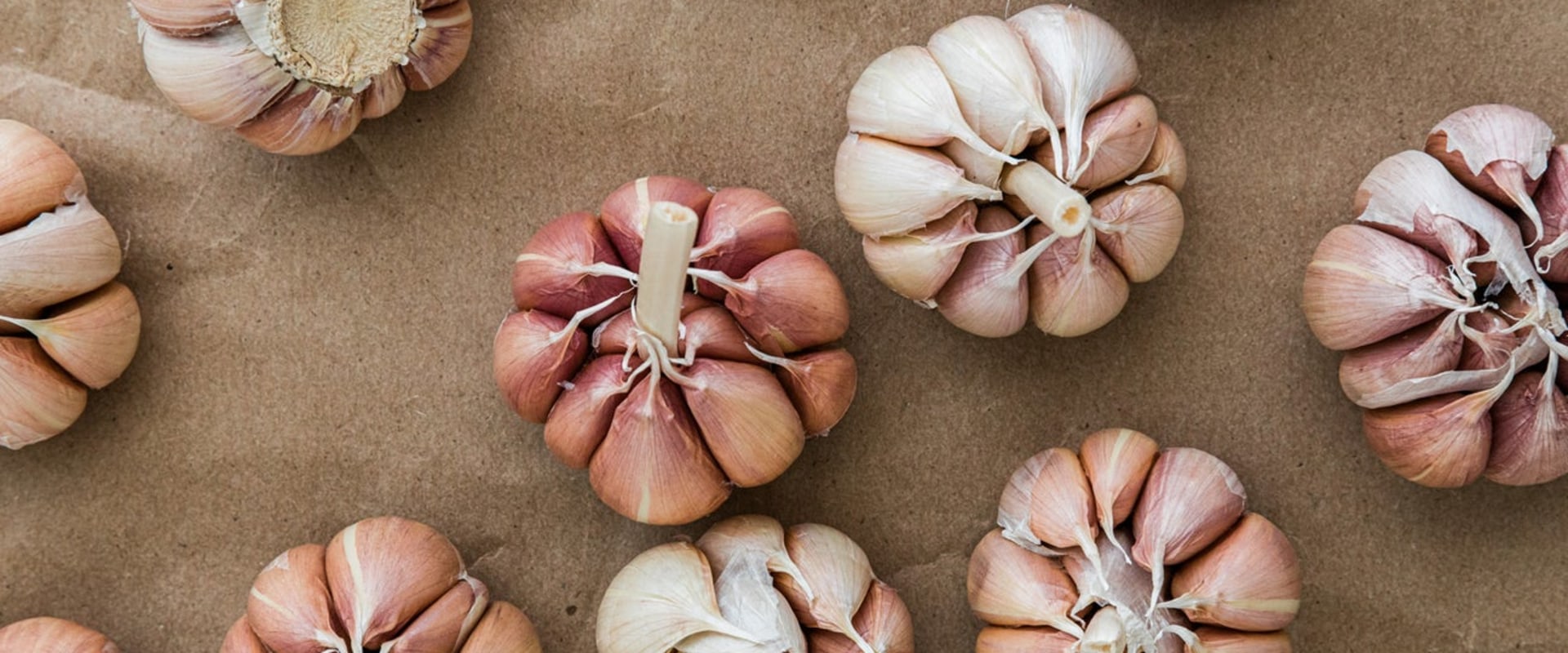
Garlic, known scientifically as Allium sativum, has been revered for its remarkable health benefits for thousands of years. This humble bulb has a rich history, dating back to ancient civilizations where it was not only used as a culinary ingredient but also as a potent medicinal remedy. The Egyptians, Greeks, and Romans all recognized garlic's therapeutic properties, using it to treat various ailments and enhance physical performance. Today, garlic continues to capture the attention of health enthusiasts and researchers alike, particularly in the form of supplements that promise to deliver its numerous health benefits. The growing interest in garlic supplement benefits can be attributed to extensive scientific research that supports its efficacy in promoting overall health.
Garlic is packed with essential nutrients and bioactive compounds, such as allicin, which are believed to contribute to its health-promoting properties. These compounds have been shown to possess antioxidant, anti-inflammatory, and antimicrobial effects, making garlic a powerful ally in the fight against chronic diseases. As more people seek natural alternatives to conventional medicine, garlic supplements have emerged as a popular choice for those looking to boost their immune system, improve heart health, and even support cognitive function. In addition to its impressive health benefits, garlic is also celebrated for its versatility in the kitchen. Whether consumed raw, cooked, or in supplement form, garlic adds a unique flavor profile to dishes while simultaneously providing a wealth of nutrients.
This dual role as both a culinary staple and a natural remedy makes garlic an essential ingredient in many households. As we delve deeper into the myriad advantages of incorporating garlic into our diets—especially through supplements—it becomes clear that this ancient remedy holds significant promise for modern health challenges.
Nutritional Profile of Garlic
Garlic is not only celebrated for its distinctive flavor and aroma but also for its impressive nutritional profilenutritional profile. Understanding the nutritional components of garlic can help us appreciate its numerous health benefits and the reasons behind its long-standing use in traditional medicine. One of the most notable compounds found in garlic is allicin , which is responsible for many of its health-promoting properties. Allicin is formed when garlic is crushed or chopped, releasing an enzyme called alliinase that converts alliin into allicin.This compound has been studied extensively for its potential to combat various ailments, including cardiovascular diseases and infections. In addition to allicin, garlic contains a variety of essential vitamins and minerals:
- Vitamin C: Garlic is a good source of vitamin C, an antioxidant that supports the immune system and helps protect cells from damage.
- B Vitamins: Garlic provides several B vitamins, including B6 (pyridoxine) and B1 (thiamine), which are crucial for energy metabolism and brain function.
- Manganese: This mineral plays a vital role in bone formation, blood sugar control, and antioxidant defenses.
- Calcium: Important for maintaining strong bones and teeth, calcium also supports muscle function and nerve signaling.
- Selenium: Garlic contains selenium, which has antioxidant properties and may help reduce inflammation in the body.
Always check the label for information on the supplement's composition to ensure you are getting the desired health benefits. In summary, garlic's rich nutritional profile—comprising vitamins, minerals, and unique compounds like allicin—contributes significantly to its health benefits. Incorporating garlic into your diet can be a delicious way to enhance your overall well-being.
The Immune-Boosting Properties of Garlic
Garlic is not just a flavorful addition to your meals; it is also a powerful ally in enhancing your immune system. The immune-boosting properties of garlic can be attributed to its rich composition of antioxidants, vitamins, and sulfur-containing compounds, which work synergistically to fortify the body's defenses against infections and diseases. One of the primary ways garlic boosts immunity is through its high levels of antioxidants. These compounds help neutralize free radicals in the body, which can cause oxidative stress and lead to chronic diseases.A study published in the journal Immunology Letters found that garlic extract significantly increased the production of white blood cells, which are crucial for fighting off pathogens. This suggests that regular consumption of garlic can enhance the body’s ability to respond to infections. Moreover, garlic contains a compound known as allicin , which is released when garlic is crushed or chopped. Allicin has been shown to have antimicrobial properties, making it effective against various bacteria, viruses, and fungi. Research indicates that allicin can inhibit the growth of pathogens such as E.
coli and Salmonella, thereby reducing the risk of infections. In addition to its direct effects on pathogens, garlic also modulates the immune response. It has been found to enhance the activity of macrophages—cells that engulf and destroy harmful microorganisms. A study in the journal Journal of Nutrition highlighted that participants who consumed garlic supplements experienced an increase in macrophage activity, leading to improved immune function. For those considering garlic supplements for immunity, it’s essential to choose high-quality products that contain standardized amounts of allicin. While fresh garlic is beneficial, supplements can provide a concentrated dose that may be more convenient for some individuals.
However, it’s important to consult with a healthcare professional before starting any new supplement regimen. In conclusion, incorporating garlic into your diet—whether through fresh cloves or supplements—can significantly enhance your immune system's functionality. Its antioxidant properties, antimicrobial effects, and ability to modulate immune responses make it a valuable addition to any health-conscious lifestyle.
Garlic and Chronic Disease Prevention
Garlic has long been celebrated not just for its culinary uses but also for its potential health benefits, particularly in the realm of chronic disease prevention. Research indicates that regular consumption of garlic may play a significant role in reducing the risk of serious health conditions such as heart disease and certain types of cancer.Heart Disease Prevention
One of the most compelling areas of research surrounding garlic is its impact on cardiovascular health. Studies have shown that garlic can help lower blood pressure, reduce cholesterol levels, and improve overall heart function.
For instance, a meta-analysis published in the Journal of Nutrition found that aged garlic extract significantly reduced total cholesterol and LDL (bad cholesterol) levels by 10 to 15 percent in individuals with moderate hypercholesterolemia. This reduction is crucial because high cholesterol is a major risk factor for heart disease.
Moreover, garlic's ability to enhance nitric oxide production in the body contributes to improved blood vessel function, which can lead to better circulation and reduced arterial stiffness. This is particularly beneficial for individuals at risk of developing hypertension or other cardiovascular issues.
Cancer Prevention
In addition to its heart health benefits, garlic has been linked to cancer prevention. Epidemiological studies suggest that individuals who consume garlic regularly have a lower incidence of certain cancers, including stomach, colorectal, and esophageal cancers.
The active compounds in garlic, such as allicin and sulfur-containing compounds, are believed to have anti-cancer properties that inhibit tumor growth and promote apoptosis (programmed cell death) in cancer cells.
A study published in the American Journal of Clinical Nutrition highlighted that participants who consumed raw or cooked garlic had a significantly lower risk of developing colorectal cancer compared to those who did not include garlic in their diets. This protective effect is thought to stem from garlic's ability to enhance detoxification enzymes and reduce inflammation within the body.
The Role of Garlic Supplements
While fresh garlic is often touted for its health benefits, many people turn to garlic supplements for convenience. However, it's essential to note that not all supplements are created equal. Some studies suggest that aged garlic extracts may offer similar protective effects against chronic diseases as fresh garlic due to their concentrated levels of beneficial compounds.
In conclusion, incorporating garlic into your diet—whether through fresh cloves or high-quality supplements—may provide significant health benefits in preventing chronic diseases like heart disease and cancer.
As always, it’s advisable to consult with a healthcare professional before making any substantial changes to your diet or supplement regimen.
Garlic's Role in Cardiovascular Health
Garlic has long been celebrated for its numerous health benefits, particularly in the realm of cardiovascular health. The active compounds in garlic, especially allicin, have been shown to play a significant role in improving heart function and reducing the risk of heart disease. One of the primary ways garlic contributes to heart health is by effectively lowering cholesterol levels. Research indicates that garlic supplements can lead to a notable reduction in total cholesterol and low-density lipoprotein (LDL) cholesterol, often referred to as "bad" cholesterol. A meta-analysis of several studies found that participants who consumed garlic supplements experienced a decrease in total cholesterol levels by approximately 10% to 15%.This reduction is crucial, as high cholesterol is a major risk factor for heart disease. In addition to its effects on cholesterol, garlic also has a positive impact on blood pressure. A systematic review of clinical trials revealed that garlic supplementation can significantly lower both systolic and diastolic blood pressure in individuals with hypertension. The mechanism behind this effect is believed to be related to garlic's ability to enhance nitric oxide production, which helps relax blood vessels and improve blood flow. Moreover, garlic's antioxidant properties contribute to cardiovascular health by combating oxidative stress, which can lead to inflammation and damage within the cardiovascular system. By reducing oxidative stress, garlic may help prevent the development of atherosclerosis, a condition characterized by the hardening and narrowing of arteries due to plaque buildup. For those considering incorporating garlic into their diet for heart health, it is essential to choose the right form.
While fresh garlic is beneficial, aged garlic extract has been shown in studies to provide enhanced cardiovascular benefits. This form of garlic undergoes a fermentation process that increases its bioavailability and potency. In conclusion, the cardiovascular benefits of garlic are well-supported by scientific research. From lowering cholesterol levels and blood pressure to providing antioxidant protection, garlic serves as a powerful ally in promoting heart health. However, individuals should consult with healthcare professionals before starting any new supplement regimen, especially if they have existing health conditions or are taking medications.
Garlic Supplements vs.
Fresh Garlic: What You Need to Know
When it comes to reaping the health benefits of garlic, a common question arises: is it better to consume fresh garlic or opt for garlic supplements? Both forms have their unique advantages, but understanding the differences can help you make an informed choice.
Fresh Garlic: A Nutritional Powerhouse
Fresh garlic is renowned for its rich nutritional profile. It contains a variety of vitamins and minerals, including vitamin C, vitamin B6, manganese, and selenium. However, one of the most significant components of garlic is allicin, a sulfur compound that is responsible for many of its health benefits. Allicin is produced when garlic is crushed or chopped, and it has potent antioxidant and anti-inflammatory properties.
Research indicates that fresh garlic can effectively boost the immune system, lower blood pressure, and reduce cholesterol levels.
The presence of allicin in fresh garlic is crucial for these effects; however, it is important to note that allicin is unstable and can degrade quickly when exposed to heat or air.
Garlic Supplements: Convenience vs. Efficacy
Garlic supplements are often marketed as a convenient alternative to fresh garlic. They come in various forms, including capsules, tablets, and oils. While these supplements can provide some health benefits, their effectiveness can vary significantly based on how they are processed.
-
Processing Impact: Many garlic supplements undergo processing that can diminish the levels of allicin.
For instance, aged garlic extracts may contain less allicin but offer other beneficial compounds that support heart health.
- Standardization: Some supplements are standardized to contain specific amounts of allicin or other active compounds. This can provide consistency in dosage but may not replicate the full spectrum of benefits found in fresh garlic.
- Bioavailability: The body’s ability to absorb and utilize the active compounds in supplements can differ from that of fresh garlic. Some studies suggest that the bioavailability of allicin may be lower in supplement form compared to fresh garlic.
Conclusion
While both fresh garlic and garlic supplements offer health benefits, fresh garlic remains the gold standard due to its high levels of allicin and overall nutritional value. If you prefer the convenience of supplements, look for high-quality products that ensure adequate levels of active compounds.
Ultimately, incorporating both forms into your diet may provide the best balance for optimal health.
Potential Side Effects and Precautions When Using Garlic Supplements
While garlic supplements are widely recognized for their numerous health benefits, it is essential to be aware of potential side effects and precautions associated with their use. Understanding these risks can help individuals make informed decisions about incorporating garlic into their health regimen.Common Side Effects
- Gastrointestinal Issues: One of the most frequently reported side effects of garlic supplements is gastrointestinal discomfort. This can include symptoms such as bloating, gas, diarrhea, and stomach upset. These effects are often more pronounced when taking high doses of garlic.
-
Bad Breath and Body Odor: Garlic is notorious for causing bad breath and body odor due to the sulfur compounds it contains.
While this may not be a serious concern, it can be socially uncomfortable for some individuals.
- Allergic Reactions: Although rare, some people may experience allergic reactions to garlic supplements. Symptoms can range from mild skin rashes to more severe reactions like difficulty breathing or swelling of the face and throat. Anyone experiencing these symptoms should seek medical attention immediately.
Precautions When Using Garlic Supplements
-
Blood Thinning Effects: Garlic has natural anticoagulant properties, which means it can thin the blood. This can be beneficial for heart health but poses risks for individuals taking blood-thinning medications such as warfarin or aspirin.
It is crucial for these individuals to consult with a healthcare provider before starting garlic supplements.
- Surgery Considerations: Due to its blood-thinning effects, it is advisable to stop taking garlic supplements at least two weeks before any scheduled surgery to minimize the risk of excessive bleeding during and after the procedure.
- Pregnancy and Breastfeeding: Pregnant or breastfeeding women should exercise caution when considering garlic supplements. While culinary amounts of garlic are generally safe, high doses in supplement form may not be advisable. Consulting a healthcare professional is recommended.
Who Should Avoid Garlic Supplements?
- Individuals with Bleeding Disorders: Those with conditions that affect blood clotting should avoid garlic supplements due to their potential to exacerbate bleeding risks.
- People with Allergies: Anyone known to have an allergy to garlic or related plants (like onions) should refrain from using garlic supplements.
- Those on Certain Medications: Individuals taking medications that interact with garlic, such as certain HIV medications or those metabolized by the liver, should consult their healthcare provider before use.
How to Incorporate Garlic into Your Diet Effectively
Incorporating garlic into your daily diet can be both enjoyable and beneficial for your health.Whether you prefer fresh garlic or garlic supplements, there are numerous ways to ensure you reap the health benefits of garlic.
Using Fresh Garlic
- Add to Cooking: Fresh garlic can be minced, chopped, or crushed and added to a variety of dishes. Sauté it in olive oil as a base for sauces, stir-fries, or soups to enhance flavor while gaining its health benefits.
- Raw Consumption: For maximum potency, consider consuming raw garlic. You can add minced garlic to salads, dressings, or dips like hummus. Just remember to let it sit for a few minutes after chopping to activate its beneficial compounds.
-
Garlic Infused Oils: Create your own garlic-infused oil by steeping crushed garlic cloves in olive oil.
This oil can be used for cooking or as a flavorful dressing for salads and vegetables.
Incorporating Garlic Supplements
- Choose Quality Supplements: When opting for garlic supplements, look for high-quality products that contain aged garlic extract. This form is known for its enhanced health benefits compared to raw garlic.
- Follow Recommended Dosages: Always adhere to the recommended dosage on the supplement label or consult with a healthcare professional. This ensures you receive the benefits without adverse effects.
- Combine with Other Supplements: Garlic supplements can be taken alongside other health supplements like vitamin C or zinc to further boost your immune system.
Best Practices for Consumption
- Timing Matters: For optimal absorption, consider taking garlic supplements on an empty stomach. This may enhance their effectiveness in promoting health.
-
Stay Consistent: Regular consumption is key to experiencing the full range of garlic supplement benefits.
Incorporate it into your routine, whether through meals or as part of your supplement regimen.
- Monitor Your Body's Response: Pay attention to how your body reacts when you introduce garlic into your diet. If you experience any discomfort, adjust the amount or consult with a healthcare provider.
Frequently Asked Questions About Garlic Supplements
Garlic supplements have gained popularity as a convenient way to harness the health benefits of garlic without the strong taste or odor associated with fresh garlic. However, many people have questions about their safety, effectiveness, and potential side effects. Below are some frequently asked questions regarding garlic supplements.1.What are garlic supplements?
Garlic supplements typically come in various forms, including capsules, tablets, and oils.They are made from garlic extracts that contain concentrated amounts of the beneficial compounds found in fresh garlic, such as allicin, which is known for its health-promoting properties.
2.Are garlic supplements effective?
Research indicates that garlic supplements can provide health benefits similar to those of fresh garlic, particularly in terms of cardiovascular health and immune support. However, the effectiveness can vary based on the type of supplement and its formulation. Aged garlic extract, for example, has been shown to lower cholesterol levels and improve heart health.3.Is it safe to take garlic supplements?
For most people, garlic supplements are considered safe when taken in recommended doses. However, individuals who are pregnant, nursing, or taking medications—especially blood thinners—should consult a healthcare professional before starting any new supplement regimen.4.What are the potential side effects?
While generally safe, garlic supplements can cause side effects in some individuals.Common side effects include:
- Digestive issues such as bloating or gas
- Heartburn or acid reflux
- Allergic reactions in sensitive individuals
- Increased risk of bleeding when taken with anticoagulant medications
5.Can I get the same benefits from fresh garlic?
Fresh garlic is an excellent source of nutrients and offers numerous health benefits. While supplements can provide concentrated doses of these compounds, consuming fresh garlic also provides dietary fiber and other beneficial nutrients that may not be present in supplement form.6.How should I choose a garlic supplement?
When selecting a garlic supplement, consider the following:- Formulation: Look for products that specify the amount of allicin or other active compounds.
- Quality: Choose reputable brands that undergo third-party testing for purity and potency.
- Dose: Follow the recommended dosage on the label or consult with a healthcare provider for personalized advice.
Conclusion: Embracing Garlic for Better Health
In conclusion, the myriad health benefits of garlic make it a remarkable addition to any diet. From its ancient roots as a natural remedy to its modern-day recognition as a superfood, garlic has proven itself time and again as a powerful ally in promoting overall health. Throughout this article, we have explored various aspects of garlic, particularly focusing on the garlic supplement benefits. These benefits include:- Immune System Support: Garlic is rich in antioxidants that help combat free radicals, thereby enhancing the immune response and reducing the likelihood of illnesses such as colds and flu.
-
Chronic Disease Prevention: Regular consumption of garlic has been linked to lower risks of chronic diseases, including heart disease and certain types of cancer.
Its ability to lower cholesterol levels and improve cardiovascular health is particularly noteworthy.
- Brain Health: The anti-inflammatory properties of garlic may protect against cognitive decline and support overall brain function, making it a valuable addition for those concerned about mental health.
- Digestive Health: Garlic can promote healthy digestion by supporting gut flora and reducing inflammation in the digestive tract.
Whether you choose to add it raw to salads, roast it for a savory side dish, or take it in supplement form, embracing garlic can lead to improved health outcomes. So why not start today? Your body will thank you for it!.