The practical guide to garlic supplements
The Incredible Health Benefits of Eating Garlic Every Day: Exploring Garlic Supplement Benefits
Explore the incredible health benefits of eating garlic every day, including its role in heart health, immune support, and cancer prevention.

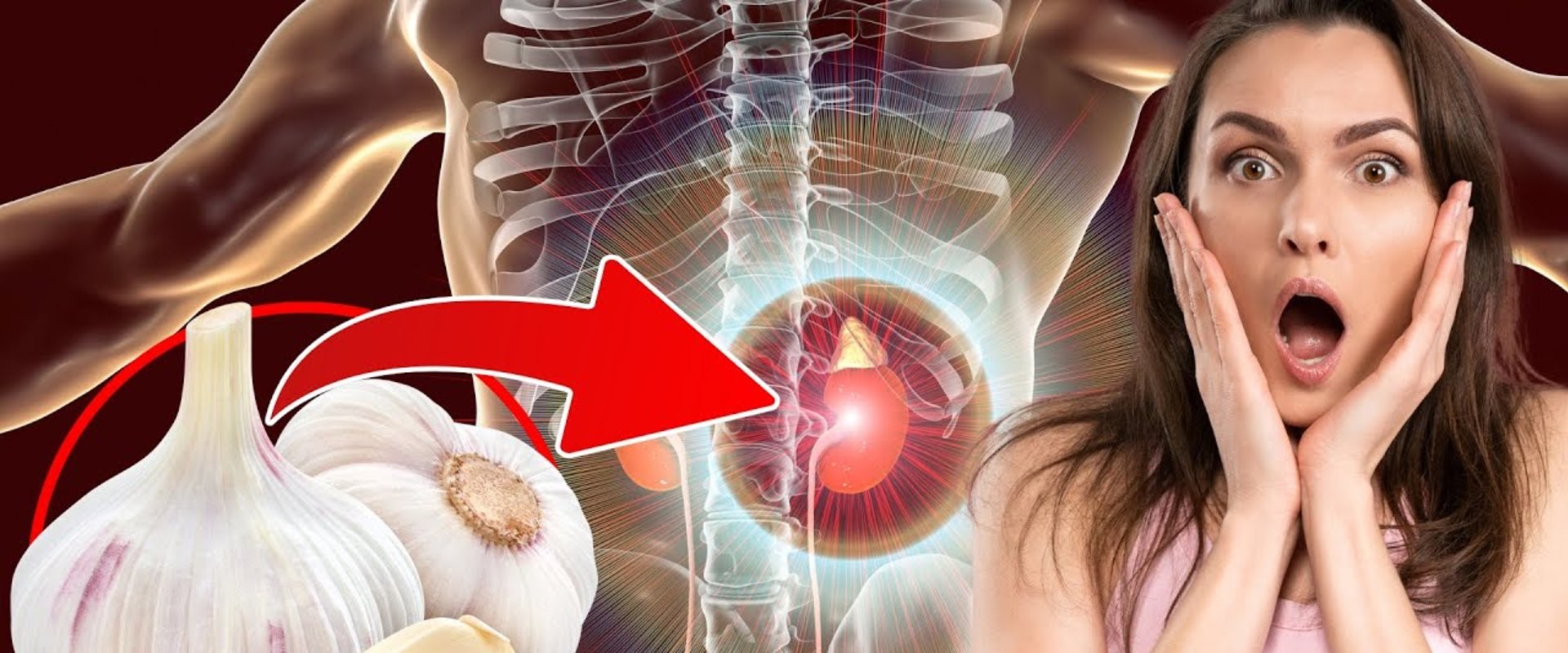
Garlic, a humble bulb that has graced kitchens around the world for centuries, is much more than just a flavor enhancer. This potent food is packed with a variety of health benefits that can significantly improve overall well-being when consumed regularly. From ancient civilizations that revered garlic for its medicinal properties to modern-day research confirming its numerous advantages, this remarkable ingredient deserves a prominent place in our daily diets. One of the most compelling reasons to incorporate garlic into your meals is its impressive array of health benefits. Rich in vitamins, minerals, and antioxidants, garlic is known to support heart health, boost the immune system, and even reduce the risk of certain cancers.
The active compound allicin, which is released when garlic is crushed or chopped, is primarily responsible for these health-promoting effects. Studies have shown that daily consumption of garlic can lead to lower blood pressure, improved cholesterol levels, and enhanced circulation, making it a powerful ally in the fight against cardiovascular diseases. Moreover, the garlic supplement benefits are equally noteworthy. For those who may not enjoy the taste of raw garlic or find it difficult to incorporate into their meals, supplements offer a convenient alternative. These supplements can provide concentrated doses of garlic's beneficial compounds without the strong flavor or odor associated with fresh garlic.
Regular intake of garlic supplements has been linked to improved immune function and reduced inflammation, further underscoring the importance of this superfood in our daily routines. As we delve deeper into the incredible health benefits of eating garlic every day, it becomes clear that this small but mighty bulb can have a profound impact on our health. Whether you choose to enjoy it fresh in your cooking or opt for supplements, embracing garlic as part of your daily regimen can pave the way for a healthier lifestyle.
Nutritional Profile of Garlic
Garlic is not just a flavorful addition to meals; it is also a powerhouse of essential nutrients that contribute to its numerous health benefits. Understanding the nutritional value of garlic can help you appreciate why incorporating it into your daily diet is so beneficial. One of the standout features of garlic is its rich content of vitamins and minerals. Here are some key nutrients found in garlic:- Vitamin C: Garlic is a good source of vitamin C, an antioxidant that helps protect the body from oxidative stress and supports the immune system.
- B Vitamins: Garlic contains several B vitamins, including B6 (pyridoxine), which plays a crucial role in metabolism and brain health, and B1 (thiamine), which is essential for energy production.
- Manganese: This mineral is vital for bone health and metabolism.
Garlic provides a significant amount of manganese, which aids in the formation of connective tissue and bones.
- Calcium: While not as high as dairy products, garlic does contain calcium, which is important for maintaining strong bones and teeth.
- Selenium: Garlic is a source of selenium, an essential trace mineral that plays a role in metabolism and has antioxidant properties.
By understanding the various garlic nutrients , you can make informed choices about how to incorporate this remarkable ingredient into your daily routine.
The Science Behind Garlic's Health Benefits
Garlic has been a staple in various cuisines for centuries, but its health benefits have only recently gained significant attention from the scientific community. Numerous studies have explored the health benefits of garlic , particularly focusing on its key compounds, such as allicin, which is primarily responsible for many of its therapeutic effects.Allicin Effects
When garlic is crushed or chopped, it releases allicin, a sulfur-containing compound that exhibits potent biological activity. Research has shown that allicin possesses strong antimicrobial properties, making it effective against a variety of pathogens, including bacteria and fungi. A study published in the Journal of Antimicrobial Chemotherapy found that allicin can inhibit the growth of certain strains of bacteria, including Escherichia coli and Staphylococcus aureus. Moreover, allicin has been linked to cardiovascular health.
It helps to lower blood pressure by promoting vasodilation, which is the widening of blood vessels. This effect is crucial for individuals with hypertension and can significantly reduce the risk of heart disease. A meta-analysis in the Journal of Nutrition concluded that garlic supplementation could lead to a modest reduction in blood pressure among hypertensive patients.
Garlic Antioxidants
In addition to allicin, garlic is rich in antioxidants that combat oxidative stress in the body. Oxidative stress occurs when there is an imbalance between free radicals and antioxidants, leading to cellular damage and contributing to chronic diseases such as cancer and diabetes.
Garlic contains various antioxidant compounds, including flavonoids and selenium, which work synergistically to enhance the body’s defense mechanisms. A study published in the American Journal of Clinical Nutrition highlighted that regular consumption of garlic can increase antioxidant enzyme activity in the body, thereby reducing oxidative damage. This protective effect is particularly beneficial for aging individuals who are more susceptible to oxidative stress-related diseases. The cumulative evidence from these studies underscores the importance of incorporating garlic into your daily diet. Whether consumed raw, cooked, or as a supplement, garlic offers a plethora of health benefits that are supported by scientific research.
Cardiovascular Health and Garlic
Garlic has long been celebrated not just for its culinary uses but also for its remarkable health benefits, particularly in relation to cardiovascular health. Regular consumption of garlic can play a significant role in managing key factors that contribute to heart disease, including blood pressure and cholesterol levels .Blood Pressure Regulation
One of the most compelling benefits of garlic is its ability to help lower blood pressure.
Studies have shown that garlic supplements can lead to a significant reduction in both systolic and diastolic blood pressure in individuals with hypertension. This effect is primarily attributed to the presence of allicin, a compound released when garlic is crushed or chopped. Allicin promotes the relaxation of blood vessels, enhancing blood flow and reducing overall pressure on the cardiovascular system.
For those looking to incorporate garlic into their daily routine for blood pressure management, it is recommended to consume about one clove of raw garlic per day or consider high-quality garlic supplements. However, it’s essential to consult with a healthcare provider before starting any new supplement regimen.
Cholesterol Levels
In addition to its effects on blood pressure, garlic has been shown to positively influence cholesterol levels.
Research indicates that regular intake of garlic can lead to a decrease in total cholesterol and low-density lipoprotein (LDL) cholesterol, often referred to as "bad" cholesterol. This reduction is crucial because high levels of LDL cholesterol are linked to an increased risk of heart disease.
The mechanism behind this benefit involves garlic's ability to enhance the liver's function in processing fats and cholesterol. By improving lipid profiles, garlic not only helps maintain healthy cholesterol levels but also contributes to overall heart health.
Incorporating Garlic into Your Diet
To reap the cardiovascular benefits of garlic, consider adding it to your meals in various forms. Fresh minced garlic can be used in salad dressings, marinades, or sautéed with vegetables.
For those who prefer a milder flavor, roasted garlic can be spread on whole-grain bread or added to soups and stews. In conclusion, the daily consumption of garlic can significantly enhance cardiovascular health by effectively lowering blood pressure and improving cholesterol levels. By making this simple addition to your diet, you can take proactive steps toward maintaining a healthy heart.
Garlic's Role in Immune System Support
Garlic has long been celebrated not just for its culinary uses but also for its remarkable ability to bolster the immune system. This humble bulb is packed with compounds that can enhance the body’s defenses against various pathogens, making it a powerful ally, especially during the cold and flu season. One of the key components of garlic is allicin , which is released when garlic is crushed or chopped. Allicin has been shown to possess potent antimicrobial properties, helping to combat bacteria, viruses, and fungi.This makes garlic an effective natural remedy for preventing infections, particularly respiratory illnesses that are prevalent during colder months. Research indicates that regular consumption of garlic can lead to a significant reduction in the frequency and severity of colds and flu. A study published in the journal Advances in Therapy found that participants who took a garlic supplement experienced fewer colds compared to those who received a placebo. Furthermore, when they did catch a cold, the duration and severity of their symptoms were notably lessened. In addition to its direct effects on pathogens, garlic also plays a role in enhancing the overall function of the immune system. It stimulates the activity of white blood cells, which are crucial for identifying and eliminating foreign invaders.
This immune-boosting effect is particularly beneficial for individuals with weakened immune systems or those who are frequently exposed to illness. To maximize the immune system benefits of garlic, consider incorporating it into your daily diet in various forms:
- Raw Garlic: Adding minced raw garlic to salads or dressings can provide the most potent health benefits.
- Garlic Supplements: For those who may not enjoy the taste of raw garlic, supplements are available that can deliver concentrated doses of its beneficial compounds.
- Cooked Garlic: While cooking can reduce some of garlic's potency, it still retains many health benefits. Roasting or sautéing garlic can enhance its flavor while providing immune support.
Garlic and Cancer Prevention
Garlic has long been celebrated not just for its culinary uses but also for its potential health benefits, particularly in the realm of cancer prevention. Numerous studies have investigated the relationship between garlic consumption and a reduced risk of various types of cancer, highlighting its impressive anti-cancer properties . One of the key components in garlic is allicin , a sulfur-containing compound that is released when garlic is crushed or chopped.Allicin has been shown to possess potent antioxidant properties, which can help neutralize free radicals in the body. Free radicals are unstable molecules that can cause cellular damage and contribute to the development of cancer. By combating these harmful molecules, garlic may play a role in reducing cancer risk. Several epidemiological studies have suggested a link between high garlic intake and a lower incidence of certain cancers. For instance:
- Stomach Cancer: Research indicates that individuals who consume garlic regularly may have a significantly lower risk of developing stomach cancer.
A meta-analysis found that those with the highest garlic intake had a 30% reduced risk compared to those with the lowest.
- Colorectal Cancer: Some studies suggest that garlic may help protect against colorectal cancer by promoting healthy gut bacteria and enhancing immune function.
- Breast Cancer: Preliminary research has indicated that garlic may inhibit the growth of breast cancer cells, although more extensive studies are needed to confirm these findings.
As research continues to evolve, it becomes increasingly clear that this humble bulb could be a powerful ally in our fight against cancer.
Digestive Health Benefits of Garlic
Garlic is not only a flavorful addition to many dishes but also a powerful ally for digestive health. One of the key ways garlic contributes to a healthy digestive system is through its role as a prebiotic. Prebiotics are non-digestible food components that promote the growth and activity of beneficial gut bacteria. By consuming garlic regularly, you can help create an environment in your gut that supports the proliferation of these healthy microorganisms. Research has shown that garlic contains fructans, a type of carbohydrate that acts as a prebiotic.These fructans are fermented by the beneficial bacteria in the gut, leading to the production of short-chain fatty acids (SCFAs). SCFAs play a crucial role in maintaining gut health by providing energy to colon cells, reducing inflammation, and enhancing the gut barrier function. This process not only supports digestion but also contributes to overall health by potentially lowering the risk of gastrointestinal disorders. Moreover, garlic has been found to positively influence the composition of gut microbiota. A balanced gut microbiome is essential for optimal digestion and nutrient absorption.
Studies indicate that regular consumption of garlic can increase the abundance of beneficial bacteria such as Bifidobacteria and Lactobacillus, while inhibiting harmful bacteria. This shift in bacterial populations can lead to improved digestive function and may help alleviate issues such as bloating, gas, and constipation. In addition to its prebiotic effects, garlic possesses antimicrobial properties that can help combat harmful pathogens in the digestive tract. The sulfur compounds found in garlic, particularly allicin, have been shown to exhibit antibacterial and antifungal effects. This means that incorporating garlic into your diet may help protect against infections and maintain a healthy balance of gut flora. To reap the digestive health benefits of garlic, consider adding it to your meals in various forms—raw, cooked, or even as a supplement if you prefer.
However, it's important to listen to your body; some individuals may experience digestive discomfort from excessive garlic intake. Start with small amounts and gradually increase your consumption to find what works best for you. In summary, the digestive health benefits of garlic are significant. By acting as a prebiotic and supporting healthy gut bacteria, garlic can enhance digestion, promote nutrient absorption, and contribute to overall well-being. Incorporating this potent bulb into your daily diet may be one of the simplest yet most effective ways to support your digestive health.
How to Incorporate Garlic into Your Daily Diet
Incorporating garlic into your daily diet can be both enjoyable and beneficial for your health.Here are some practical tips and delicious recipes to help you make the most of this powerful ingredient.
Simple Ways to Eat Garlic Daily
- Add it to your meals: One of the easiest ways to include garlic in your diet is by adding it to your favorite dishes. Whether you're cooking pasta, stir-frying vegetables, or grilling meats, minced or crushed garlic can enhance the flavor significantly.
- Use garlic in dressings and marinades: Create a zesty salad dressing by mixing olive oil, vinegar, minced garlic, and your choice of herbs. This not only adds flavor but also provides the health benefits of garlic.
- Incorporate it into soups and stews: Garlic can be sautéed with onions and other vegetables as a base for soups and stews. This method infuses the dish with a rich flavor while maximizing the health benefits.
- Try roasted garlic: Roasting garlic mellows its flavor and makes it sweet and creamy.
Simply cut the top off a head of garlic, drizzle with olive oil, wrap in foil, and roast until soft. Spread it on bread or mix it into mashed potatoes for a delicious twist.
Delicious Garlic Recipes
- Garlic Butter Shrimp: Sauté shrimp in a mixture of butter, minced garlic, lemon juice, and parsley for a quick and flavorful dish that pairs well with rice or pasta.
- Garlic Roasted Vegetables: Toss your favorite vegetables such as broccoli, carrots, and bell peppers with olive oil, minced garlic, salt, and pepper. Roast them in the oven until tender for a nutritious side dish.
- Garlic Hummus: Blend chickpeas, tahini, lemon juice, olive oil, and several cloves of garlic in a food processor for a creamy dip that’s perfect with pita bread or fresh veggies.
- Garlic Mashed Potatoes: Boil potatoes until tender, then mash them with roasted garlic, butter, cream, salt, and pepper for a comforting side dish that elevates any meal.
Cooking Tips for Garlic
- Fresh vs. Powdered: While fresh garlic is often preferred for its robust flavor and health benefits, garlic powder can be a convenient alternative when you're short on time.
- Timing is key: To maximize the health benefits of garlic, let chopped or crushed garlic sit for about 10 minutes before cooking.
This allows allicin to form, enhancing its medicinal properties.
- Avoid burning: Garlic can become bitter if overcooked. Add it towards the end of cooking or sauté it over low heat to preserve its flavor and health benefits.
Garlic Supplements: Are They Effective?
When it comes to reaping the health benefits of garlic, many people wonder whether garlic supplements can provide the same advantages as fresh garlic. While both forms contain beneficial compounds, there are notable differences in their effectiveness and health impacts.Understanding Garlic Supplements
Garlic supplements typically come in various forms, including capsules, tablets, and oils. These products are designed to concentrate the active compounds found in garlic, primarily allicin, which is responsible for many of its health benefits.
However, the process of creating supplements can alter the potency and bioavailability of these compounds.
Benefits of Garlic Supplements
- Convenience: For those who dislike the taste or smell of fresh garlic, supplements offer a more palatable alternative.
- Standardized Dosage: Supplements often provide a consistent amount of active ingredients, making it easier to manage intake.
- Potential Health Benefits: Research suggests that garlic supplements may help lower blood pressure, improve cholesterol levels, and enhance immune function.
Comparing Fresh Garlic and Supplements
While garlic supplements can be beneficial, they may not fully replicate the effects of fresh garlic. Fresh garlic contains a variety of sulfur compounds and antioxidants that may not be present in concentrated forms. Additionally, cooking garlic can enhance its health benefits by increasing the availability of certain nutrients. Moreover, some studies indicate that the body may absorb the active compounds in fresh garlic more effectively than those in supplements. This is largely due to the presence of other nutrients and enzymes in whole foods that aid in digestion and absorption.
Conclusion
In summary, while garlic supplements can offer certain health benefits and are a convenient option for many, they may not be as effective as consuming fresh garlic.
For optimal health benefits, incorporating both forms into your diet could be a wise approach. Always consult with a healthcare professional before starting any new supplement regimen to ensure it aligns with your individual health needs.
<strong>Potential Side Effects and Precautions</strong>
While the health benefits of garlic are well-documented, it is essential to consider potential side effects and precautions before incorporating it into your daily routine. Understanding these aspects can help you enjoy the advantages of garlic while minimizing any adverse reactions.Common Side Effects
- Digestive Issues: One of the most frequently reported side effects of garlic consumption is digestive discomfort. Some individuals may experience symptoms such as gas, bloating, or stomach pain, particularly when consuming raw garlic or large quantities.
This is often due to the high levels of fructans, a type of carbohydrate that can be challenging for some people to digest.
- Bad Breath and Body Odor: Garlic is notorious for causing bad breath and body odor. The sulfur compounds in garlic, particularly allicin, can lead to a strong odor that lingers even after brushing your teeth. If you are concerned about this effect, consider using garlic supplements that may have a milder impact on breath.
- Allergic Reactions: Although rare, some individuals may have an allergy to garlic. Symptoms can include skin rashes, headaches, or gastrointestinal distress.
If you suspect an allergy, it is crucial to discontinue use and consult a healthcare professional.
Precautions
- Medication Interactions: Garlic can interact with certain medications, particularly blood thinners like warfarin. It has natural anticoagulant properties that may enhance the effects of these medications, increasing the risk of bleeding. Always consult your doctor before adding significant amounts of garlic or garlic supplements to your diet if you are on medication.
- Surgery Considerations: Due to its blood-thinning properties, it is advisable to avoid excessive garlic consumption before surgery. It is recommended to stop taking garlic supplements at least two weeks prior to any surgical procedure to reduce the risk of excessive bleeding.
- Pregnancy and Breastfeeding: While moderate amounts of garlic in food are generally considered safe during pregnancy and breastfeeding, high doses from supplements should be approached with caution.
Always consult with a healthcare provider for personalized advice.