The practical guide to garlic supplements
The Surprising Benefits of Garlic: Unlocking the Health Potential of This Superfood
Discover the surprising health benefits of garlic supplements, from heart health to cancer prevention. Learn how to incorporate this superfood into your diet.

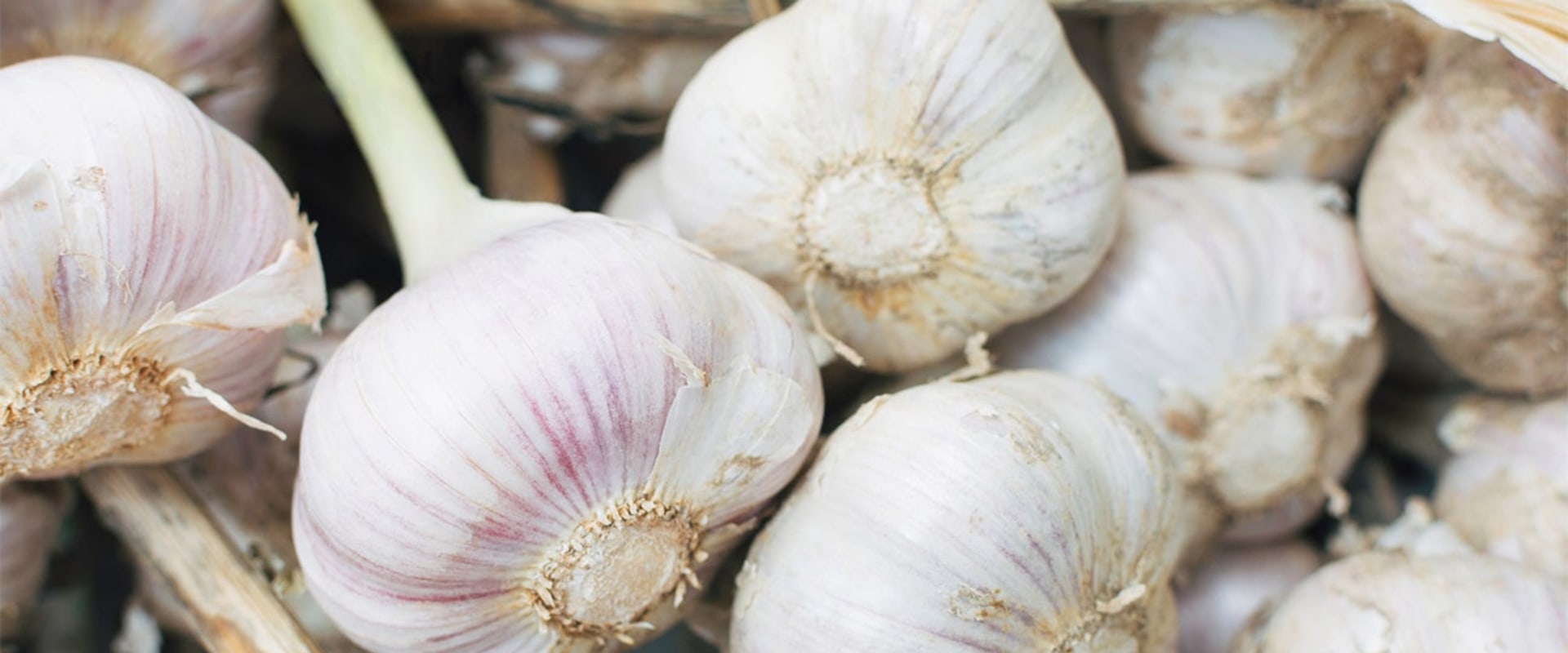
Garlic, often referred to as a superfood , has been celebrated for centuries not only for its culinary uses but also for its remarkable health benefits. This humble bulb, belonging to the Allium family, has roots that trace back to ancient civilizations, where it was revered for its medicinal properties. From the Egyptians who used it to enhance strength and endurance among laborers to the Greeks who believed it could ward off disease, garlic has long been a staple in both kitchens and apothecaries around the world. In recent years, there has been a resurgence of interest in the health benefits of garlic, particularly in the form of , has been celebrated for centuries not only for its culinary uses but also for its remarkable health benefits. This humble bulb, belonging to the Allium family, has roots that trace back to ancient civilizations, where it was revered for its medicinal properties. From the Egyptians who used it to enhance strength and endurance among laborers to the Greeks who believed it could ward off disease, garlic has long been a staple in both kitchens and apothecaries around the world. In recent years, there has been a resurgence of interest in the health benefits of garlic, particularly in the form of garlic supplements. As more people seek natural alternatives to conventional medicine, garlic's potential to improve health has captured the attention of researchers and health enthusiasts alike.
Studies have shown that garlic can play a significant role in promoting cardiovascular health, enhancing immune function, and even reducing the risk of certain cancers. These findings have led many to consider garlic not just a flavor enhancer but a vital component of a healthy lifestyle. The growing body of evidence supporting the health benefits of garlic has prompted individuals to explore various ways to incorporate this potent ingredient into their diets. While fresh garlic is undoubtedly beneficial, many are turning to supplements for convenience and concentrated effects. Aged garlic extract, in particular, has gained popularity due to its enhanced bioavailability and reduced odor compared to raw garlic.
This makes it an appealing option for those who wish to reap the benefits without the strong taste or smell associated with fresh cloves. As we delve deeper into the myriad advantages that garlic offers, it becomes clear that this superfood is more than just a culinary delight; it is a powerful ally in our quest for better health. Whether you are looking to lower cholesterol levels, boost your immune system, or simply add more flavor to your meals, understanding the full spectrum of garlic's benefits can empower you to make informed choices about your health.
Nutritional Profile of Garlic
Garlic is not only a flavorful addition to many dishes but also a powerhouse of essential nutrients that contribute to its numerous health benefits. Understanding the nutritional profile of garlic is vital for anyone looking to enhance their diet with this superfood. One of the most notable aspects of garlic is its rich content of vitamins and minerals. Here are some key nutrients found in garlic:- Vitamin C: Garlic is a good source of vitamin C, an antioxidant that helps protect the body against free radicals, supports the immune system, and aids in collagen production.
- B Vitamins: Garlic contains several B vitamins, including B6 (pyridoxine) and B1 (thiamine), which are essential for energy metabolism and brain health.
-
Manganese: This mineral plays a crucial role in bone formation, blood sugar control, and reducing inflammation.
Garlic provides a significant amount of manganese, contributing to overall health.
- Calcium: While not as high as dairy products, garlic does contain calcium, which is vital for maintaining strong bones and teeth.
- Selenium: An important antioxidant, selenium helps protect cells from damage and supports thyroid function.
By incorporating garlic into your diet, you can boost your intake of these beneficial compounds. In summary, the nutritional value of garlic extends far beyond its flavor. With a rich array of vitamins, minerals, and antioxidants, garlic serves as a valuable addition to any healthy diet. Whether consumed raw, cooked, or in supplement form, the nutrients found in garlic can significantly contribute to overall health and well-being.
Garlic and Heart Health
Garlic has long been celebrated for its numerous health benefits, particularly in relation to heart health. One of the most significant advantages of incorporating garlic into your diet is its ability to lower cholesterol levels.Research indicates that regular consumption of garlic can lead to a reduction in total cholesterol and low-density lipoprotein (LDL) cholesterol, often referred to as "bad" cholesterol. A meta-analysis of several studies found that garlic can reduce total cholesterol levels by approximately 10% to 15%, which can significantly lower the risk of heart disease. In addition to its cholesterol-lowering properties, garlic is also known for its ability to reduce blood pressure. Aged garlic extract, in particular, has been shown to have a positive effect on blood pressure regulation. In a randomized controlled trial involving individuals with hypertension, participants who took aged garlic supplements experienced a notable decrease in both systolic and diastolic blood pressure.
This effect is attributed to garlic's ability to enhance nitric oxide production, which helps relax blood vessels and improve circulation. Moreover, the benefits of garlic extend beyond just cholesterol and blood pressure management. The sulfur compounds found in garlic, such as allicin, are believed to contribute to its cardiovascular protective effects. These compounds not only help lower cholesterol but also possess anti-inflammatory properties that can further support heart health. To maximize the heart health benefits of garlic, it is recommended to consume it in its raw or aged form. Cooking garlic can diminish some of its beneficial compounds, so incorporating fresh garlic into salads or using it as a seasoning in dishes can be particularly effective.
For those who may find it challenging to consume enough garlic through food alone, garlic supplements are an excellent alternative. However, it is essential to consult with a healthcare professional before starting any supplement regimen. In summary, the evidence supporting the heart health benefits of garlic is compelling. By lowering cholesterol levels and reducing blood pressure, garlic serves as a natural ally in maintaining cardiovascular health. Incorporating this superfood into your daily routine can lead to significant improvements in overall heart function and well-being.
Garlic's Role in Cancer Prevention
Garlic has long been celebrated not only for its culinary uses but also for its potential health benefits, particularly in the realm of cancer prevention.Numerous studies have investigated the anti-cancer properties of garlic, revealing promising results that suggest incorporating this superfood into your diet may help reduce the risk of various types of cancer. One of the key components in garlic is allicin , a compound that is released when garlic is crushed or chopped. Allicin is believed to have potent antioxidant properties, which can help combat oxidative stress in the body—a known contributor to cancer development. Research indicates that allicin may inhibit the growth of cancer cells and even induce apoptosis, or programmed cell death, in certain types of tumors. Several epidemiological studies have highlighted the correlation between garlic consumption and a reduced risk of specific cancers. For instance, a comprehensive analysis conducted by the Iowa Women’s Health Study found that women who regularly consumed garlic had a significantly lower risk of developing colorectal cancer.
This study revealed that those who included garlic in their diets were 35% less likely to be diagnosed with this type of cancer compared to those who did not. Moreover, research published in the Journal of Nutrition indicated that garlic may also play a role in reducing the risk of stomach and esophageal cancers. The study suggested that the sulfur compounds found in garlic could inhibit the growth of Helicobacter pylori, a bacterium linked to stomach cancer. In addition to these findings, garlic's potential benefits extend to other forms of cancer as well. For example, some studies have shown that regular consumption of garlic may be associated with a lower risk of breast and prostate cancers. The mechanisms behind these protective effects are still being explored, but it is believed that garlic's ability to enhance immune function and reduce inflammation plays a crucial role. To maximize the potential cancer-fighting benefits of garlic, it is recommended to consume it raw or lightly cooked.
Cooking at high temperatures can diminish some of its beneficial compounds. Additionally, taking aged garlic supplements has been shown to retain many health benefits while being easier on the digestive system. In conclusion, while more research is needed to fully understand the extent of garlic's anti-cancer properties, current evidence suggests that incorporating this powerful bulb into your diet could be a simple yet effective strategy for cancer prevention. Whether you add it to your meals or consider supplements, making garlic a staple in your diet may contribute positively to your overall health and well-being.
Immune System Support from Garlic
Garlic has long been celebrated for its remarkable ability to bolster the immune system, making it a valuable ally in the fight against common illnesses such as colds and the flu. The active compounds in garlic, particularly allicin , are known for their potent antimicrobial and antiviral properties, which can help the body fend off infections. One of the most significant garlic immune system benefits is its ability to enhance the function of immune cells.Studies have shown that garlic can stimulate the activity of white blood cells, which play a crucial role in identifying and eliminating pathogens. This immune-boosting effect is particularly beneficial during cold and flu season when the body is more susceptible to viral infections. Incorporating garlic into your diet can be done in various ways. Consuming raw garlic is one of the most effective methods to maximize its health benefits. When garlic is crushed or chopped, it releases allicin, which is most potent in its raw form.
Adding raw garlic to salads, dressings, or dips can provide a flavorful way to enhance your meals while supporting your immune health. For those who may find the taste of raw garlic too strong, garlic supplements are an excellent alternative. Aged garlic extract, in particular, has been studied for its immune-enhancing properties. Research indicates that aged garlic supplements can help reduce the severity and duration of cold symptoms. In one study, participants who took aged garlic extract reported fewer instances of colds compared to those who did not. Moreover, garlic's ability to prevent colds and flu extends beyond just boosting immunity.
Its anti-inflammatory properties can help alleviate symptoms associated with these illnesses. For instance, garlic may assist in reducing nasal congestion and throat irritation, making it easier to recover from respiratory infections. To further harness the benefits of garlic for cold prevention, consider incorporating it into your daily routine during peak illness seasons. Whether through cooking or supplementation, regular consumption can fortify your body's defenses against common pathogens. In conclusion, whether you choose to enjoy garlic raw or in supplement form, its immune-boosting properties make it a powerful tool for maintaining health and preventing illness. By integrating this superfood into your diet, you can enhance your body's natural defenses and reduce your risk of falling ill during cold and flu season.
Garlic for Joint and Muscle Health
Garlic has long been celebrated not only for its culinary uses but also for its remarkable health benefits, particularly in alleviating joint pain and reducing muscle inflammation.The active compounds in garlic, such as allicin, have been shown to possess anti-inflammatory properties that can be beneficial for those suffering from conditions like arthritis or general muscle soreness. One of the primary ways garlic can aid in joint and muscle health is through its ability to reduce inflammation. Inflammation is a natural response of the body to injury or infection, but chronic inflammation can lead to pain and discomfort. Studies suggest that garlic may help modulate the inflammatory response, thereby providing relief from joint pain. Regular consumption of garlic, whether raw or cooked, can contribute to a decrease in inflammatory markers in the body.
Topical Applications of Garlic
In addition to dietary intake, topical applications of garlic can also offer significant benefits for joint and muscle health.Garlic oil, which can be made by infusing crushed garlic cloves in a carrier oil, is often used as a natural remedy for localized pain. When applied directly to sore muscles or aching joints, garlic oil may help alleviate discomfort due to its warming properties and ability to improve blood circulation. To use garlic topically, you can:
- Create a garlic oil infusion: Crush several cloves of garlic and mix them with olive oil or coconut oil. Let the mixture sit for a few hours or overnight before straining it. Apply the oil gently to the affected area.
- Use raw garlic: For those who prefer a more potent application, rubbing a cut clove of raw garlic directly onto the skin over painful areas may provide immediate relief.
- Combine with other ingredients: Mixing garlic with other natural anti-inflammatory agents like ginger or turmeric can enhance its effectiveness when applied topically.
Additionally, those with sensitive skin should use caution when applying raw garlic directly. In conclusion, incorporating garlic into your diet and utilizing topical applications can be an effective strategy for managing joint pain and muscle inflammation. Its natural anti-inflammatory properties make it a valuable addition to any wellness routine aimed at improving mobility and reducing discomfort.
Garlic's Impact on Athletic Performance
For athletes and fitness enthusiasts, the quest for improved performance and endurance is a constant journey. One natural ally that has gained attention in recent years is garlic. This humble bulb, often overlooked in the realm of sports nutrition, offers a range of benefits that can significantly enhance athletic performance.Garlic and Endurance
Research suggests that garlic may play a crucial role in boosting endurance levels.
A study published in the Journal of Nutrition indicated that participants who consumed garlic supplements experienced improved exercise performance compared to those who did not. The key lies in garlic's ability to enhance blood circulation, which is vital for delivering oxygen to muscles during physical activity.
When blood flow increases, so does the oxygen supply to working muscles, allowing athletes to sustain their efforts for longer periods. This can be particularly beneficial during endurance events such as marathons or long-distance cycling.
Fatigue Reduction
Another significant benefit of garlic is its potential to reduce fatigue. Athletes often face the challenge of muscle fatigue, which can hinder performance and recovery.
Garlic contains compounds like allicin, which have been shown to possess anti-inflammatory properties. By reducing inflammation in the body, garlic may help alleviate muscle soreness and fatigue after intense workouts.
Incorporating garlic into an athlete's diet can be as simple as adding it to meals or taking it in supplement form. For those who prefer a more potent option, aged garlic extract has been found to be particularly effective in enhancing exercise performance without the risk of gastrointestinal discomfort that some experience with raw garlic.
Practical Tips for Athletes
- Add minced garlic to stir-fries or roasted vegetables for a flavorful boost.
- Consider taking garlic supplements before training sessions to maximize endurance benefits.
- Experiment with garlic-infused oils for salad dressings or marinades.
Potential Side Effects of Garlic Consumption
While garlic is widely celebrated for its numerous health benefits, it is essential to recognize that excessive consumption or supplementation can lead to certain side effects.Understanding these potential risks can help individuals make informed decisions about incorporating garlic into their diets.
Digestive Issues
One of the most common side effects associated with garlic consumption is digestive discomfort. This can manifest in various ways, including:
- Gas and Bloating: Garlic contains fructans, a type of carbohydrate that can be difficult for some people to digest. This can lead to gas production and bloating, particularly in individuals with irritable bowel syndrome (IBS).
- Heartburn: The strong compounds in garlic may relax the lower esophageal sphincter, potentially leading to acid reflux or heartburn in sensitive individuals.
- Nausea: Consuming large amounts of garlic, especially raw, can cause nausea and an upset stomach.
Allergic Reactions
Though rare, some individuals may experience allergic reactions to garlic. Symptoms can include:
- Skin Reactions: Rashes, itching, or hives may occur in those who are allergic.
- Respiratory Issues: In severe cases, garlic allergies can lead to difficulty breathing or anaphylaxis.
Increased Bleeding Risk
Garlic has natural anticoagulant properties, which means it can thin the blood.
While this can be beneficial for cardiovascular health, it poses a risk for individuals taking blood-thinning medications such as warfarin. Excessive garlic consumption may increase the risk of bleeding during surgical procedures or if injuries occur.
Interactions with Medications
Garlic supplements may interact with various medications, including:
- Anticoagulants: As mentioned earlier, garlic can enhance the effects of blood thinners.
- Antiretroviral Drugs: Some studies suggest that garlic may reduce the effectiveness of certain HIV medications.
- Certain Antidepressants: Garlic may interfere with the metabolism of some antidepressants, potentially altering their effectiveness.
Conclusion
While garlic offers a plethora of health benefits, it is crucial to consume it in moderation and be aware of its potential side effects. Individuals considering garlic supplements should consult with a healthcare professional to ensure safety and avoid adverse interactions with medications. By understanding both the benefits and risks associated with garlic consumption, one can enjoy this superfood while minimizing potential drawbacks.
How to Incorporate Garlic into Your Diet
Incorporating garlic into your daily meals can be both enjoyable and beneficial for your health.Here are some practical tips on how to use garlic in cooking, along with delicious recipes and guidance on taking garlic supplements safely.
Using Garlic in Cooking
Garlic is a versatile ingredient that can enhance the flavor of a wide variety of dishes. Here are some simple ways to include it in your cooking:- Raw Garlic: For maximum health benefits, consider adding raw garlic to salads or dressings. Mince or crush a clove and mix it into your favorite vinaigrette.
- Sautéing: Sauté minced garlic in olive oil before adding vegetables, meats, or grains. This method releases its aromatic oils and adds depth to your dishes.
-
Roasting: Roasting whole garlic bulbs brings out a sweet, mellow flavor.
Simply cut the top off a bulb, drizzle with olive oil, wrap in foil, and roast until soft. Spread it on bread or mix it into mashed potatoes for a delightful twist.
- Soups and Stews: Add chopped garlic to soups and stews early in the cooking process to infuse the dish with its flavor. It pairs well with tomatoes, beans, and lentils.
Garlic Recipes to Try
If you're looking for inspiration, here are a couple of easy recipes that highlight garlic:- Garlic Butter Shrimp: Sauté shrimp in a mixture of butter, minced garlic, lemon juice, and parsley for a quick and flavorful meal.
- Garlic Mashed Potatoes: Boil potatoes until tender, then mash them with roasted garlic, butter, cream, salt, and pepper for a creamy side dish.
Taking Garlic Supplements Safely
If you prefer to take garlic in supplement form, it's essential to do so safely. Here are some tips:- Consult Your Doctor: Before starting any supplement regimen, especially if you have underlying health conditions or are taking medications like blood thinners.
-
Choose Quality Products: Look for aged garlic extract supplements that have been tested for purity and potency.
Reputable brands often provide third-party testing results.
- Follow Dosage Instructions: Adhere to the recommended dosage on the product label or as advised by your healthcare provider to avoid potential side effects.
<strong>Conclusion</strong>
In summary, the benefits of garlic supplements extend far beyond mere flavor enhancement in our meals. This remarkable superfood has been linked to a plethora of health advantages that can significantly improve our overall well-being. From its ability to lower cholesterol and blood pressure to its potential role in cancer prevention, garlic stands out as a powerful ally in the quest for better health. Moreover, the versatility of garlic allows it to be easily incorporated into various diets. Whether consumed raw, cooked, or in supplement form, garlic can fit seamlessly into your daily routine.For those who may find the taste of raw garlic too strong, aged garlic extracts offer a more palatable alternative while still delivering many of the same health benefits. As we continue to explore the health benefits of garlic, it is essential to approach its consumption with balance. While incorporating garlic into your diet can yield numerous positive effects, excessive intake may lead to unwanted side effects such as digestive discomfort or bad breath. Therefore, moderation is key. Additionally, individuals considering garlic supplements should consult with healthcare professionals, especially if they are on medications or have underlying health conditions. This ensures that they can safely enjoy the benefits without any adverse interactions. Ultimately, embracing garlic as a staple in your diet can lead to improved heart health, enhanced immune function, and even potential cancer-fighting properties.
As research continues to unveil more about this incredible superfood, one thing remains clear: adding garlic to your meals is a simple yet effective way to boost your health. So why not start today? Experiment with different recipes that highlight garlic's unique flavor and health benefits. Your body will undoubtedly appreciate the effort!.