The practical guide to garlic supplements
Unlocking the Incredible Health Benefits of Garlic: A Comprehensive Guide to Garlic Supplement Benefits
Discover the incredible health benefits of garlic supplements, from heart health to immune support. Learn how to incorporate garlic into your diet.

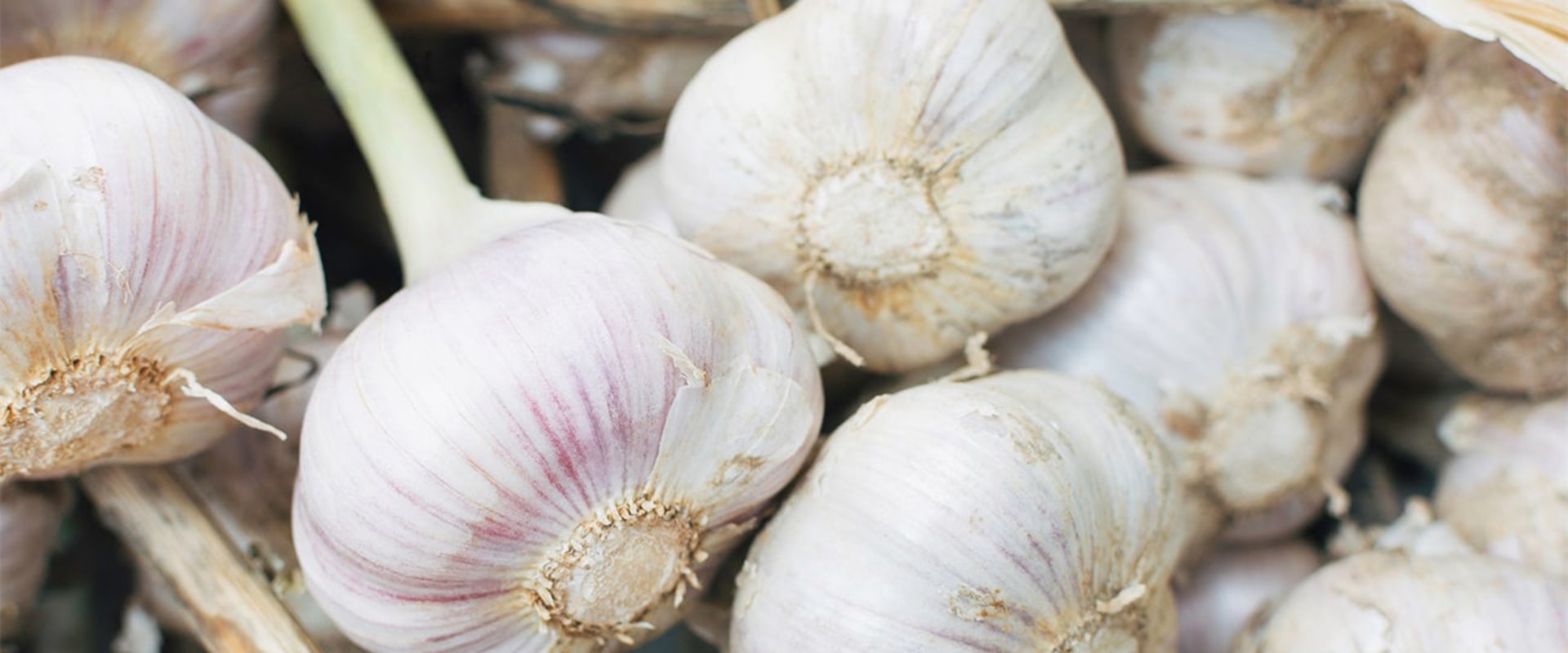
Garlic, a humble bulb with a pungent aroma, has been celebrated for centuries not only as a culinary staple but also as a potent health enhancer. Its rich history dates back to ancient civilizations, where it was revered for its medicinal properties. Today, modern science continues to uncover the myriad health benefits of garlic , making it an essential component of a balanced diet. From boosting the immune system to promoting heart health, garlic is more than just a flavoring agent; it is a powerhouse of nutrients that can significantly improve overall well-being. One of the most compelling aspects of garlic is its impressive array of bioactive compounds, particularly allicin , which is released when garlic is crushed or chopped.
This compound is responsible for many of garlic's health-promoting effects, including its ability to lower blood pressure and cholesterol levels. Numerous studies have shown that incorporating garlic into your diet can lead to substantial improvements in cardiovascular health, making it a natural alternative to conventional medications for some individuals. Furthermore, garlic supplements are gaining popularity as an easy way to harness these benefits without the strong taste associated with raw garlic. But why exactly is garlic so good for you? The answer lies in its unique composition. Garlic is packed with vitamins, minerals, and antioxidants that work synergistically to combat oxidative stress and inflammation in the body.
Regular consumption of garlic has been linked to enhanced immune function, improved digestion, and even potential cancer-fighting properties. As we delve deeper into the specific garlic supplement benefits and explore how this remarkable bulb can transform your health, it becomes clear that adding garlic to your daily routine is not just beneficial; it’s essential for those seeking a healthier lifestyle.
Nutritional Profile of Garlic
Garlic is not only a flavorful addition to various dishes but also a powerhouse of essential nutrients that contribute to its numerous health benefits. Understanding the nutritional profile of garlic can help you appreciate how its components work synergistically to promote overall health. One of the most notable aspects of garlic is its rich content of sulfur compounds, particularly allicin , which is responsible for many of its health-promoting properties. When garlic is crushed or chopped, alliin is converted into allicin, providing potent antioxidant and anti-inflammatory effects.Vitamins and Minerals
Garlic is a source of several important vitamins and minerals:-
Vitamin C: This vitamin plays a crucial role in immune function and skin health.
Garlic contains about 1% of the daily recommended intake per clove.
- Vitamin B6: Essential for metabolism and brain health, garlic provides a small amount of this vitamin, which aids in the production of neurotransmitters.
- Manganese: This mineral is vital for bone health and metabolism. Garlic contributes to your daily intake, supporting various enzymatic functions in the body.
- Selenium: An important antioxidant that helps protect cells from damage, selenium is found in trace amounts in garlic.
Other Nutrients
In addition to vitamins and minerals, garlic contains other beneficial compounds:- Fructans: These are a type of carbohydrate that can promote gut health by acting as prebiotics, feeding beneficial gut bacteria.
- Antioxidants: Garlic is rich in antioxidants that help combat oxidative stress, potentially reducing the risk of chronic diseases.
The Science Behind Garlic Supplement Benefits
Garlic has been revered for centuries not only for its culinary uses but also for its remarkable health benefits.The scientific community has increasingly focused on understanding the garlic supplement benefits , particularly the role of its key compounds, such as allicin. Allicin is a sulfur-containing compound that is primarily responsible for many of garlic's health-promoting properties. When garlic is crushed or chopped, an enzyme called alliinase converts alliin, a non-active compound, into allicin. This process is crucial because allicin is what gives garlic its distinctive aroma and flavor, as well as its numerous health benefits. Research has shown that allicin possesses potent antioxidant, anti-inflammatory, and antimicrobial properties, making it a powerful ally in promoting overall health.
Health Benefits Supported by Research
Numerous studies have highlighted the advantages of garlic supplements:-
Cardiovascular Health: Garlic supplements have been shown to lower blood pressure and improve cholesterol levels.
A meta-analysis indicated that garlic can reduce total cholesterol levels by approximately 10-15% in individuals with high cholesterol.
- Immune System Support: Allicin enhances the immune response by stimulating the activity of white blood cells. This can help the body fend off infections more effectively.
- Antimicrobial Effects: Garlic exhibits antibacterial and antifungal properties, making it effective against various pathogens. Studies have demonstrated its efficacy against bacteria like E. coli and Staphylococcus aureus.
-
Anti-Inflammatory Properties: Chronic inflammation is linked to numerous diseases, including heart disease and cancer.
Allicin's anti-inflammatory effects can help mitigate these risks.
Heart Health: How Garlic Supports Cardiovascular Function
Garlic has long been celebrated not just for its culinary uses but also for its remarkable ability to enhance heart health.Numerous studies have demonstrated that incorporating garlic into your diet can lead to significant improvements in cardiovascular function, particularly through its effects on cholesterol levels and blood pressure. One of the primary ways garlic supports heart health is by helping to lower cholesterol levels. Research indicates that garlic can reduce total cholesterol and low-density lipoprotein (LDL) cholesterol, often referred to as "bad" cholesterol. A meta-analysis of several clinical trials found that participants who consumed garlic supplements experienced a reduction in total cholesterol levels by approximately 9-12%. This reduction is crucial because high cholesterol is a major risk factor for heart disease. Garlic's cholesterol-lowering effects are attributed to its active compounds, particularly allicin, which is released when garlic is crushed or chopped.
Allicin works by inhibiting the synthesis of cholesterol in the liver, thereby reducing the amount of LDL cholesterol circulating in the bloodstream. Additionally, garlic may enhance the body's ability to remove excess cholesterol from the blood, further contributing to improved heart health. In addition to managing cholesterol, garlic is also effective in controlling blood pressure. Hypertension, or high blood pressure, is another significant risk factor for cardiovascular diseases. Studies have shown that garlic can lead to a reduction in both systolic and diastolic blood pressure.
One study found that participants who took aged garlic extract experienced a decrease in systolic blood pressure by an average of 8-10 mmHg after 12 weeks of supplementation. The mechanism behind garlic's ability to lower blood pressure involves its role as a natural vasodilator. Garlic helps relax blood vessels, improving blood flow and reducing the strain on the heart. This effect is particularly beneficial for individuals with hypertension, as it can help prevent complications such as heart attacks and strokes. Incorporating garlic into your diet can be simple and enjoyable. Whether you choose fresh cloves, powdered form, or supplements, the key is consistency. One study found that participants who took aged garlic extract experienced a decrease in systolic blood pressure by an average of 8-10 mmHg after 12 weeks of supplementation. The mechanism behind garlic's ability to lower blood pressure involves its role as a natural vasodilator. Garlic helps relax blood vessels, improving blood flow and reducing the strain on the heart. This effect is particularly beneficial for individuals with hypertension, as it can help prevent complications such as heart attacks and strokes. Incorporating garlic into your diet can be simple and enjoyable. Whether you choose fresh cloves, powdered form, or supplements, the key is consistency.
Aim for at least one clove of raw garlic daily or consider taking a high-quality garlic supplement if you prefer a more concentrated dose. In conclusion, the evidence supporting the heart health benefits of garlic is compelling. By lowering cholesterol levels and controlling blood pressure, garlic serves as a powerful ally in maintaining cardiovascular health. For those concerned about their heart health, adding garlic to your daily routine could be a delicious and effective strategy.
Garlic's Role in Immune System Support
Garlic has long been celebrated not just for its culinary uses but also for its remarkable ability to bolster the immune system. This potent bulb contains a variety of compounds that contribute to its immune-boosting properties , making it a valuable addition to any health-conscious diet. One of the key components of garlic is allicin , which is released when garlic is crushed or chopped.Allicin is known for its antiviral and antibacterial effects, helping the body fend off infections. Research indicates that garlic can enhance the function of immune cells, such as macrophages and lymphocytes, which play crucial roles in identifying and eliminating pathogens.
Antiviral Properties of Garlic
Garlic's antiviral properties are particularly noteworthy. Studies have shown that garlic can inhibit the replication of various viruses, including the common cold and influenza. By enhancing the activity of immune cells, garlic helps the body respond more effectively to viral infections.Regular consumption of garlic may reduce the severity and duration of colds, making it a natural remedy for those looking to stay healthy during flu season.
Antibacterial Effects
In addition to its antiviral capabilities, garlic also exhibits strong antibacterial effects. It has been found effective against a range of bacteria, including Escherichia coli and Staphylococcus aureus. The sulfur compounds in garlic disrupt bacterial cell membranes, leading to their destruction. This makes garlic not only a flavorful addition to meals but also a powerful ally in preventing infections. The combination of these properties means that incorporating garlic into your diet can significantly enhance your body's defenses against both viral and bacterial threats.Whether consumed raw, cooked, or in supplement form, garlic can be an effective tool in maintaining a robust immune system. For those looking to maximize the benefits, consider adding fresh garlic to salads, soups, or stir-fries. Alternatively, high-quality garlic supplements are available for those who prefer a more concentrated dose without the strong flavor. Regardless of how you choose to consume it, making garlic a regular part of your diet can lead to improved health outcomes and greater resilience against infections.
Digestive Health: The Impact of Garlic on Gut Function
Garlic is not only a flavorful addition to various dishes but also plays a significant role in promoting digestive health. One of the key ways garlic contributes to gut function is through its prebiotic effects.Prebiotics are substances that induce the growth or activity of beneficial microorganisms such as bacteria and fungi. Garlic contains a type of carbohydrate known as fructans, which serve as food for these good bacteria in the gut. When consumed, garlic helps to stimulate the growth of beneficial gut bacteria, particularly Bifidobacteria and Lactobacilli. These bacteria are essential for maintaining a healthy gut microbiome, which is crucial for proper digestion and overall health. A balanced gut microbiome can enhance nutrient absorption, improve immune function, and even influence mood and mental health. Moreover, garlic's prebiotic properties can aid in the fermentation process within the intestines, leading to the production of short-chain fatty acids (SCFAs).
SCFAs are vital for colon health as they provide energy to colon cells and help reduce inflammation. This can be particularly beneficial for individuals suffering from conditions like irritable bowel syndrome (IBS) or inflammatory bowel disease (IBD). However, it is important to note that while garlic offers numerous digestive benefits, some individuals may experience digestive discomfort when consuming it. This is primarily due to the fructans present in garlic, which can lead to symptoms such as gas, bloating, or abdominal pain in sensitive individuals. Those with IBS may find that they need to limit their intake of garlic or opt for garlic oil supplements that contain fewer fructans. To enjoy the benefits of garlic while minimizing potential digestive issues, consider starting with small amounts and gradually increasing your intake.
Cooking garlic can also help reduce its potency and make it easier on the stomach. Additionally, incorporating garlic into meals alongside other fiber-rich foods can promote a more balanced digestive experience. In conclusion, garlic serves as a powerful ally for gut health, thanks to its prebiotic effects and ability to support beneficial bacteria. By understanding both its advantages and potential drawbacks, you can make informed choices about how to incorporate this remarkable bulb into your diet.
Garlic and Bone Health: A Surprising Benefit
While garlic is widely celebrated for its cardiovascular benefits and immune-boosting properties, its role in promoting bone health is often overlooked. Recent studies have begun to shed light on how garlic can contribute to maintaining bone density and potentially preventing conditions like osteoporosis. One of the key components in garlic that supports bone health is its rich content of sulfur compounds.These compounds, particularly diallyl disulfide, have been shown to enhance the activity of osteoblasts, the cells responsible for bone formation. By stimulating these cells, garlic may help increase bone density and strength, making it a valuable addition to a diet aimed at preserving skeletal health. Moreover, garlic's anti-inflammatory properties can also play a significant role in bone health. Chronic inflammation is known to contribute to bone loss and the development of osteoporosis. By reducing inflammation in the body, garlic may help mitigate these risks and promote a healthier bone environment. In addition to its sulfur compounds, garlic is also rich in antioxidants, which can protect bone cells from oxidative stress.
This oxidative stress can lead to cellular damage and contribute to the weakening of bones over time. By incorporating garlic into your diet, you may be able to combat these harmful effects and support overall bone integrity. For those concerned about osteoporosis, especially postmenopausal women who are at higher risk due to hormonal changes, adding garlic supplements or fresh garlic to meals could be a proactive approach. Regular consumption of garlic may not only enhance flavor but also provide essential nutrients that support bone health. In conclusion, while many people think of garlic primarily as a culinary ingredient or a remedy for colds, its potential benefits for bone health are noteworthy. By harnessing the power of sulfur compounds and antioxidants found in garlic, individuals can take meaningful steps toward maintaining their bone density and preventing osteoporosis.
Potential Side Effects and Considerations When Taking Garlic Supplements
While garlic supplements offer numerous health benefits, it is essential to be aware of potential side effects and considerations before incorporating them into your routine.Understanding these aspects can help you make informed decisions about your health.
Common Side Effects
- Digestive Issues: One of the most frequently reported side effects of garlic supplements is gastrointestinal discomfort. This can manifest as bloating, gas, or even diarrhea, particularly in individuals with sensitive stomachs.
- Allergic Reactions: Although rare, some people may experience allergic reactions to garlic. Symptoms can include skin rashes, itching, or respiratory issues such as asthma attacks.
- Bad Breath and Body Odor: Garlic is notorious for causing unpleasant breath and body odor due to its sulfur compounds. This can be a concern for those who are conscious about their social interactions.
- Headaches and Dizziness: Some users report experiencing headaches or dizziness after taking garlic supplements, which may be linked to the body’s reaction to the compounds in garlic.
Risks of Garlic Supplements
Garlic supplements can interact with certain medications, leading to potential risks.
For instance:
- Blood Thinners: Garlic has natural anticoagulant properties, which means it can enhance the effects of blood-thinning medications like warfarin. This could increase the risk of bleeding.
- Antihypertensive Drugs: If you are taking medication for high blood pressure, garlic may further lower your blood pressure levels, leading to hypotension (abnormally low blood pressure).
- HIV Medications: Some studies suggest that garlic supplements may interfere with the effectiveness of certain antiretroviral drugs used in HIV treatment.
Who Should Avoid Garlic Supplements?
Certain individuals should exercise caution or avoid garlic supplements altogether:
- Pregnant and Nursing Women: While garlic in food amounts is generally safe, high doses from supplements may not be advisable during pregnancy or breastfeeding.
- Surgery Patients: Due to its blood-thinning properties, it is recommended to stop taking garlic supplements at least two weeks before any scheduled surgery to minimize bleeding risks.
- Individuals with Allergies: Those with known allergies to garlic or related plants should avoid these supplements to prevent adverse reactions.
<strong>How to Incorporate More Garlic into Your Diet</strong>
Incorporating garlic into your daily meals can be both enjoyable and beneficial for your health. Here are some practical ways to add more garlic to your diet:-
Raw Garlic: One of the most potent forms of garlic is raw.
You can easily add minced or chopped raw garlic to salads, dressings, or dips. For instance, a simple vinaigrette made with olive oil, vinegar, and minced garlic can elevate the flavor of any salad.
- Cooking with Garlic: Garlic can be sautéed, roasted, or added to various dishes. When cooking, try adding whole cloves to soups or stews for a rich flavor. Roasting garlic transforms its sharpness into a sweet, creamy texture that can be spread on bread or mixed into mashed potatoes.
-
Garlic Powder: If fresh garlic isn’t available, garlic powder is a convenient alternative.
It can be sprinkled on meats, vegetables, or popcorn for an instant flavor boost. Just remember that garlic powder is more concentrated than fresh garlic, so use it sparingly.
- Garlic Supplements: For those who may not enjoy the taste of garlic or want to ensure they are getting a consistent dose of its health benefits, garlic supplements are an option. These come in various forms such as capsules or soft gels and can provide the same benefits without the strong flavor.
- Infused Oils: Garlic-infused oils are another excellent way to incorporate garlic into your meals. You can make your own by gently heating olive oil with crushed garlic cloves and then using it as a dressing or cooking oil.
The recommended daily intake ranges from half a clove to one whole clove per day, which equates to approximately 3000 to 6000 mcg of allicin. This ensures you receive the maximum health benefits without overwhelming your digestive system. Lastly, if you’re new to consuming garlic or have experienced digestive issues in the past, start with small amounts and gradually increase your intake. This approach allows your body to adjust while still reaping the numerous garlic supplement benefits.
<strong>Conclusion: Embracing Garlic for Better Health</strong>
In summary, the incorporation of garlic into your daily diet can yield a multitude of health benefits that are hard to ignore. From its ability to enhance cardiovascular health to its potential role in boosting the immune system, garlic is a powerhouse of nutrition that deserves a prominent place on your plate. One of the most compelling reasons to embrace garlic is its antioxidant properties.These compounds help combat oxidative stress in the body, which is linked to various chronic diseases. By consuming garlic regularly, you may not only improve your overall health but also reduce the risk of developing conditions such as heart disease and certain types of cancer. Moreover, garlic supplements can be an effective way to harness these benefits without the strong taste or odor associated with raw garlic. For those who may be sensitive to its flavor or experience digestive discomfort, high-quality garlic supplements can provide a convenient alternative. However, it’s essential to choose supplements that are standardized for allicin content to ensure you are receiving the maximum benefits. When considering how to incorporate more garlic into your diet, think beyond just adding it to savory dishes.
Garlic can be used in a variety of ways:
- Garlic-infused oils: These can be drizzled over salads or used for cooking.
- Roasted garlic: This method mellows the flavor and can be spread on bread or added to mashed potatoes.
- Garlic powder: A versatile seasoning that can enhance the flavor of soups, stews, and marinades.
Your body will thank you for it!.